
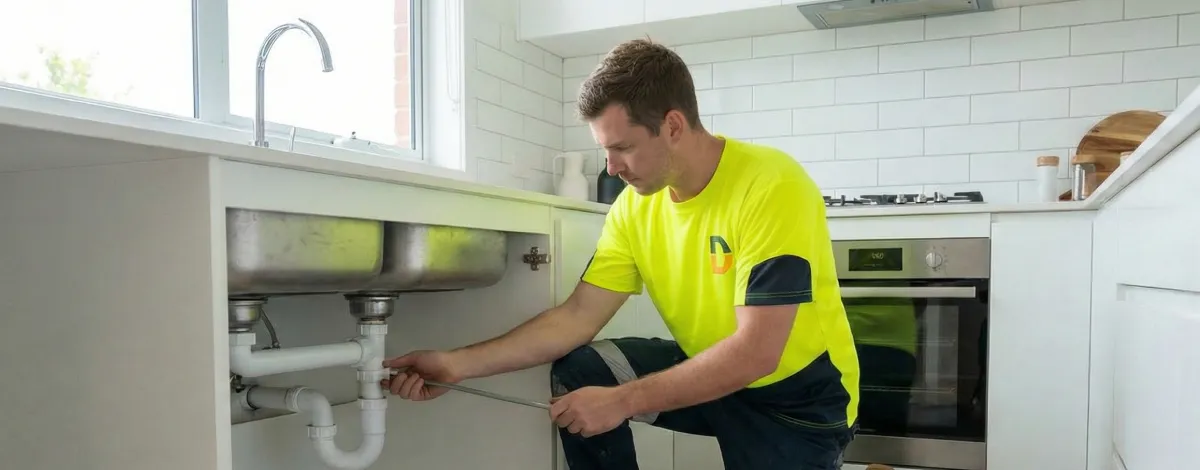
How to unblock a sink
How to unblock a sink - clear what you can see, flush with hot tap water, then plunge to shift the blockage. If it’s still slow, clean the trap (U-bend) or use a drain snake to pull the clog out.
If water is backing up, smells are strong, or more than one drain is slow, call 0800 448 612 or contact The Drain Unblockers. We cover Central Auckland, the North Shore, West Auckland, South Auckland, and East Auckland.
Quick safety check
First, stop running water so you don’t overflow the sink or flood the cabinet. If the blockage is severe, you can place a bucket under the pipework straight away. It’s also worth opening a window and putting gloves on, because even a “simple” sink clog can release some unpleasant water when it shifts.
Avoid caustic drain cleaners, especially in older pipes. Strong acids or alkalis can damage seals and fittings, and they can make plunging, snaking, or opening the trap dangerous due to splash risk. If you’ve already used a chemical product, pause here. Let the area ventilate and follow the product safety instructions before you do anything else.
Why sinks block (and why kitchen drains are different)
Bathroom sinks usually block slowly. The clog often forms close to the drain opening or in the trap, where toothpaste, soap residue, and hair stick together over time. That’s why removing debris and physically pulling it out is often more effective than “pour-and-hope” solutions.
Kitchen sinks tend to block in a different way. Grease and oil don’t disappear, even with hot water. They cool down in the pipe and form a sticky lining that grabs food particles. Over weeks or months, that lining builds into a thick restriction, which is why kitchen blockages often return unless the build-up is properly cleared.
If your sink blocks along with other drains, or you hear gurgling from nearby fixtures, the problem may be deeper in the line. In that situation, a CCTV drain inspection can quickly show whether you’re dealing with build-up, roots, pipe damage, or a poor fall.
DIY - How to unblock a sink safely (step-by-step)
Estimated time: 15–60 minutes
Difficulty: Easy to Moderate
Best for: Slow drains, mild to moderate clogs
Stop and call a pro if: multiple drains are affected, wastewater is backing up, or the clog keeps returning
Tools you may need gloves, a bucket and towel, a plunger, hot tap water, dishwashing liquid, and a small drain snake or plastic hair tool. If you’re cleaning the trap, an adjustable wrench can help, but many traps loosen by hand.
- Clear what you can see first
Start by removing the plug or strainer and taking out any visible debris. In a bathroom sink this is often hair and soap scum around the opening. In a kitchen sink it’s often food scraps caught in the strainer. This step matters because it prevents you from pushing debris deeper and it can improve flow straight away.
- Flush with hot tap water (and dishwashing liquid for kitchen sinks)
Run hot tap water for two to three minutes. For kitchen sinks, add a small squirt of dishwashing liquid first. The goal here is to soften residue and help break down light grease so the next step, plunging, has a better chance of moving the blockage. Avoid boiling water if you’re unsure of your pipe type or the plumbing is older, as extreme heat can stress some fittings and seals.
- Plunge the sink properly
Plunging works best when you can create a tight seal and move water back and forth through the trap. Partially fill the sink so the plunger cup is covered, then block the overflow hole with a wet rag to improve suction. Plunge in short, firm bursts for 20 to 30 seconds, then pause to see if the water level drops.
If the water suddenly drains, run hot tap water for a minute to help flush the loosened debris. If it improves but stays a bit slow, repeat one more round.
- If it’s still blocked, clean the trap (U-bend)
If your sink has accessible pipework under the cabinet, the trap is often the quickest “hands-on” fix. Place a bucket underneath, then slowly loosen the slip nuts. Expect dirty water. Remove the trap, empty it into the bucket, and clear any build-up.
Once the trap is clean, reassemble it carefully and check for leaks by running water. A lot of “mystery” sink clogs are simply a trap full of sludge, especially in bathrooms and kitchens with heavy use.
If you can’t access the trap easily, or if your pipework looks fragile, it’s better to stop and get help rather than risk cracking a fitting.
- Use a drain snake to pull out the clog
If the trap is clear but the sink still drains slowly, the blockage is likely further down the line. Feed a small drain snake into the pipe and rotate gently as you advance. When you feel resistance, keep turning lightly and then pull back slowly.
This method is especially effective for a drain full of hair, because the snake hooks the hair plug and removes it instead of trying to dissolve it. Once you pull out material, rinse with hot tap water and test the sink again.
How to unblock a kitchen drain (when grease is the real problem)
If your kitchen sink blocks frequently, grease build-up is usually the reason. Even if the sink looks like it clears, the pipe can still be narrowed by a greasy lining that keeps catching debris.
A good kitchen approach is to combine a hot water and dishwashing liquid flush with a proper plunge, then clean the trap if you can. If the dishwasher backs up into the sink, that’s another clue the shared waste line has a restriction.
If you keep getting the same blockage, it’s often faster and safer to get professional drain unblocking (/drain-unblocking) to fully clear the line and reset the flow. Otherwise, you can end up repeating DIY fixes every few weeks.
How to unblock a drain full of hair (without harsh chemicals)
Hair clogs are best solved by removal. In most cases, the “plug” sits close to the opening or in the trap, which is why a plastic hair tool or small snake works so well.
Remove the plug or grate, insert the hair tool, twist gently, then pull the clog out slowly. You may need to repeat this a few times, especially if the clog is rope-like and breaks apart. After that, rinse with hot tap water and consider adding a hair catcher to prevent a repeat blockage.
Avoid caustic chemicals for hair clogs, especially in older pipes. They often don’t dissolve the full plug, and they make the next steps riskier if you need to plunge or open the trap.
If hair clogs are happening across multiple bathroom fixtures, the issue may be deeper than one sink. A CCTV drain inspection can confirm whether there’s a wider line restriction.
When to call a professional in Auckland
If you’ve tried hot water, plunging, and either the trap clean or a drain snake, and the sink is still blocked, it’s time to stop. The same applies if the blockage keeps returning, there are strong sewer smells, or more than one drain is slow.
If there’s pipe damage, a collapsed section, or root intrusion, clearing alone won’t solve it long-term and you may need a drain repair (/drain-repair).
The goal is to fix the cause, not just the symptom.
For urgent help, contact The Drain Unblockers or call 0800 448 612
